Mule Deer Habitat and Conservation Efforts in Colorado
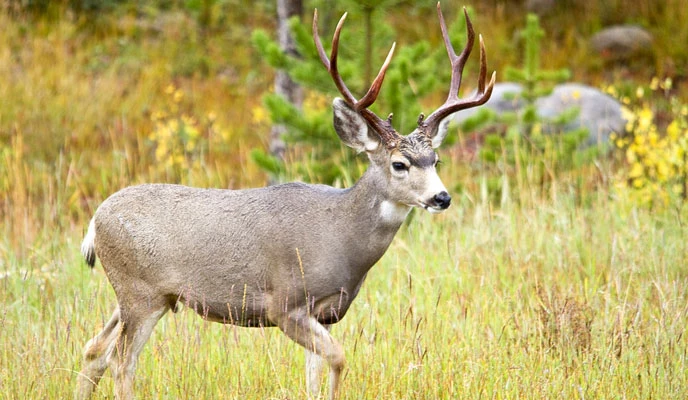
Mule deer (Odocoileus hemionus) are one of the most iconic species of North American wildlife. Known for their large ears, impressive antlers, and graceful movements, mule deer are a vital part of Colorado’s ecosystems. They occupy a wide range of habitats, from grasslands and shrublands to mountainous forests, and play an essential role in maintaining ecological balance by influencing vegetation patterns and providing prey for predators like mountain lions and coyotes.
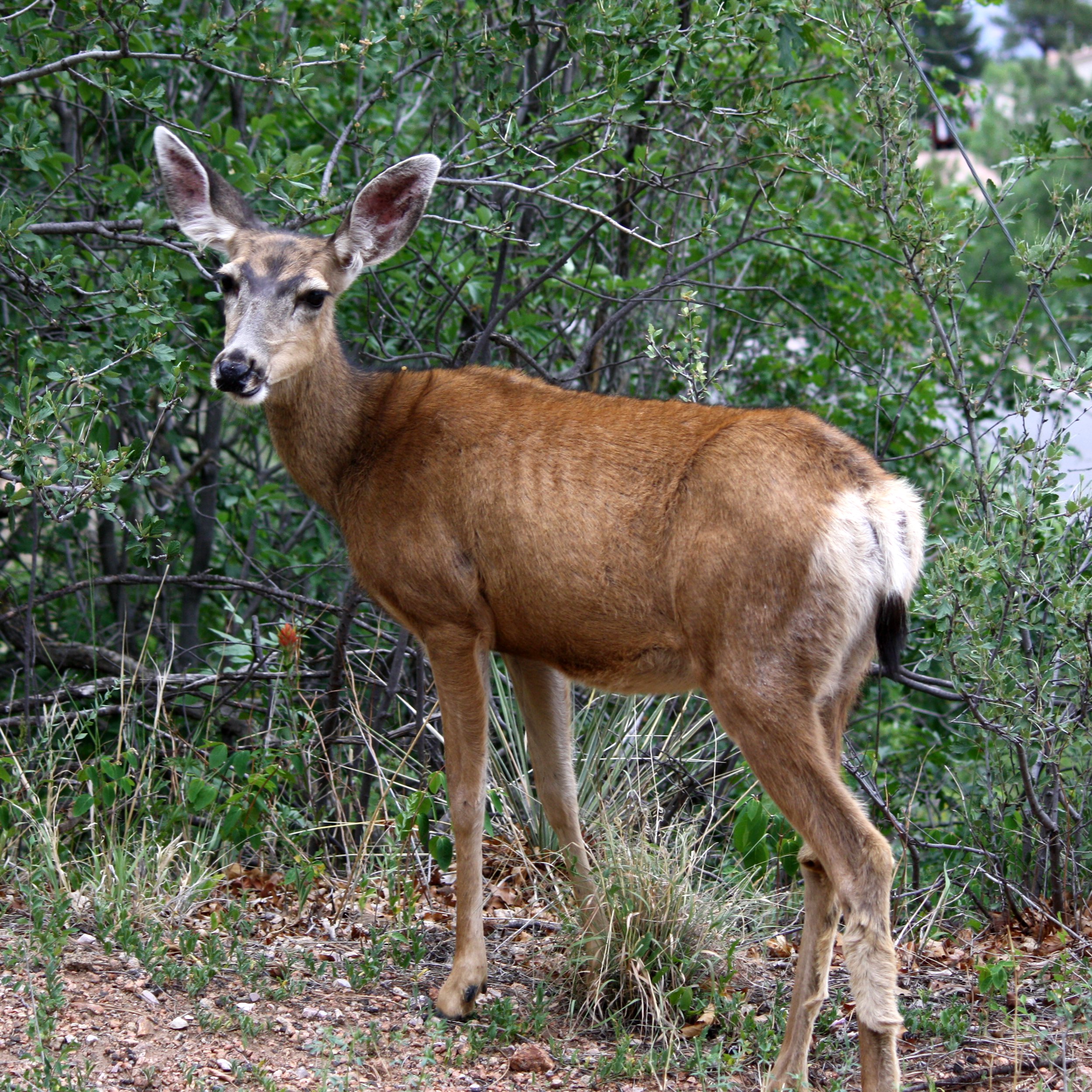
Mule deer require diverse habitats throughout the year to meet their seasonal needs. During the summer months, they often inhabit high-elevation mountain ranges where food is abundant, including grasses, forbs, shrubs, and tree leaves. These areas also provide cooler temperatures and protection from heat stress. In the winter, mule deer migrate to lower elevations, often into valleys and foothills, where snow cover is less severe and forage remains accessible.
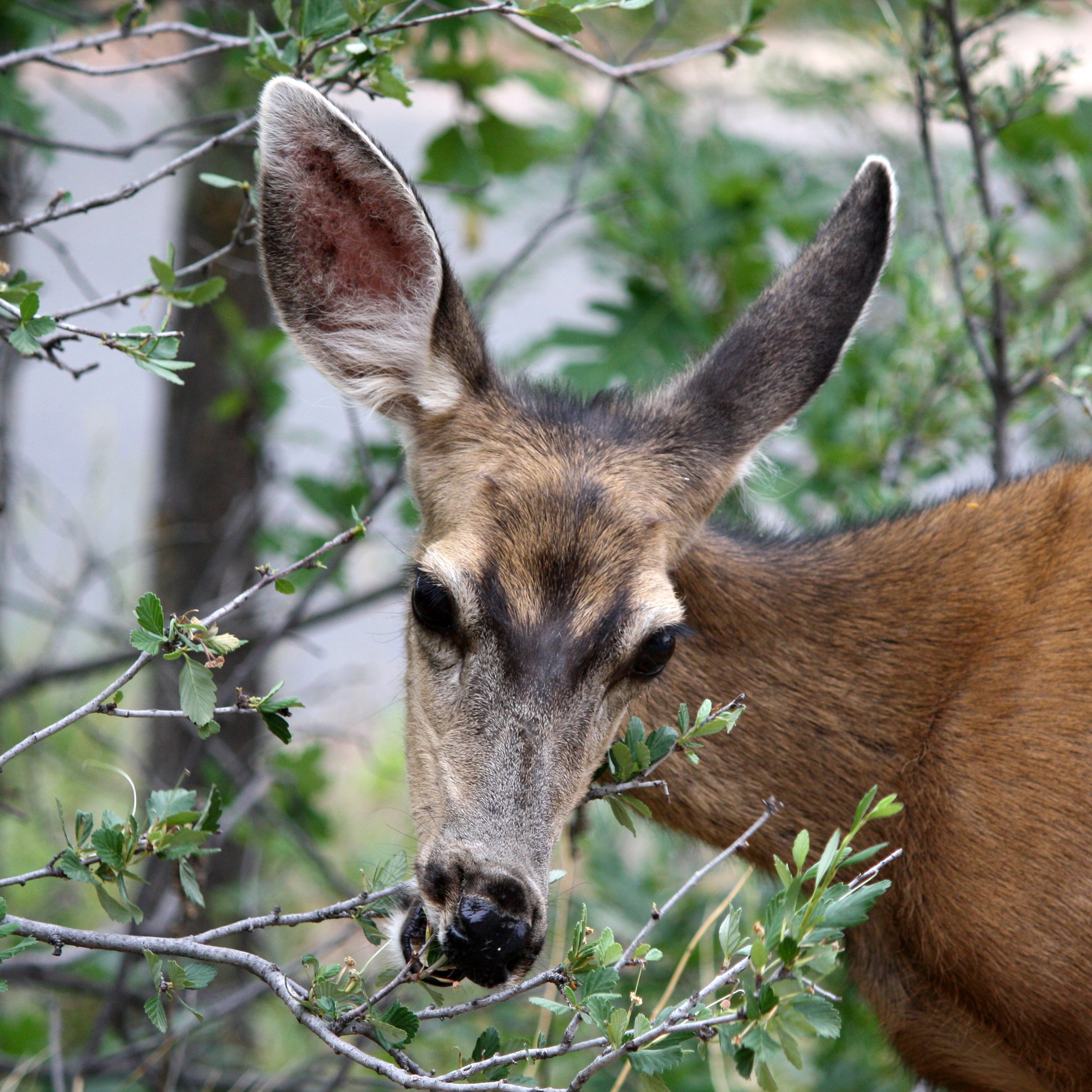
Colorado’s mule deer populations face challenges including habitat loss from urbanization, roads, and energy development. Fragmented landscapes disrupt migration corridors, limit access to food and water, and increase mortality due to vehicle collisions and predation. Harsh winters and hotter summers caused by climate change further stress populations by altering the availability of food and water in critical areas.
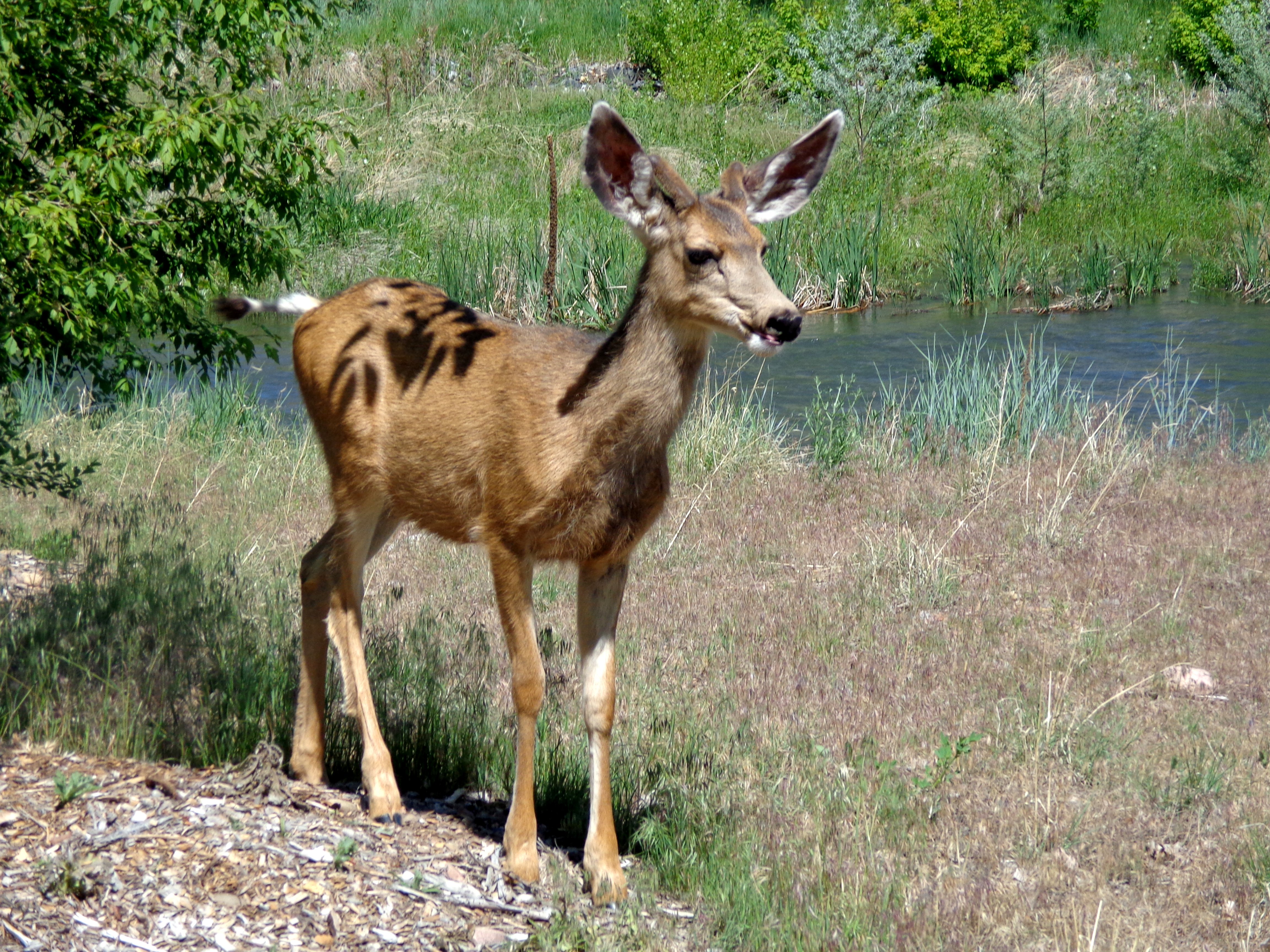
To address these challenges, Colorado has implemented several conservation initiatives. Habitat restoration focuses on planting native grasses and shrubs, controlling invasive species, and managing forests to encourage the growth of browse plants. Water sources are restored or enhanced to provide hydration during dry seasons. Migration corridors are protected with wildlife crossings, underpasses, and overpasses to allow safe travel across highways and other human-made barriers.
Colorado Parks and Wildlife monitors mule deer populations to assess health, reproduction, and habitat use. Research informs management decisions, allowing interventions to be targeted where they are most needed. Community engagement programs educate residents about mule deer, encourage stewardship, and involve volunteers in habitat restoration, fencing adjustments, and wildlife surveys.
Protecting mule deer habitats benefits not only the deer but the broader ecosystem, maintaining plant diversity, predator-prey balance, and ecosystem services. Collaborative conservation efforts between state agencies, landowners, and organizations are helping mule deer thrive in Colorado. These initiatives ensure that future generations can continue to enjoy the sight of these iconic animals roaming wild landscapes.